 how-to
What to Expect at a Medical Clinic Visit?
Last Updated: November 7, 2026
Quick Summary
A medical clinic visit follows five stages: check-in, registration and intake, triage, consultation, and departure. You give your name and health card at the desk, staff record your symptoms, a physician assesses you and orders tests if needed, and you leave with a treatment plan, prescription, or referral.
- Bring your health card, photo ID, medication list with doses, and allergy information.
- Triage sorts patients by urgency, so a later arrival with chest pain may be seen before you.
- The first hour after opening and right after lunch are usually the quietest times.
- Ask before leaving when and how you will receive test results.
- Go to an emergency department for chest pain, trouble breathing, or signs of stroke.
Table of Contents
- What Happens at a Walk-In Clinic: A Step-by-Step Walkthrough
- What to Bring to a Walk-In Clinic
- How Long Does a Walk-In Clinic Visit Take?
- Walk-In Clinic Prescription Refill: What You Need to Know
- Tests, Diagnostics, and Follow-Up Care After Your Visit
- Privacy, Consent, and Sensitive Conversations at the Clinic
- When a Clinic Is Not the Right Choice: Emergency Alternatives
- Booking Your Visit at Plains Road West Medical Clinic
- Frequently Asked Questions
What Happens at a Walk-In Clinic: A Step-by-Step Walkthrough
Knowing what to expect at a medical clinic removes most of the stress before you walk through the door. Patients who arrive unsure about the process often find the visit goes more smoothly once they know the steps.
Here is the short version, before we go deeper.

From Arrival to Departure
The whole visit usually runs in five stages. Each one has a purpose, and knowing them helps you move through faster.
- Arrival and check-in. You give your name and health card at the desk.
- Registration and intake. Staff confirm your details and note why you came.
- Triage. A nurse or doctor checks how urgent your concern is.
- Consultation. You see a physician who examines you and discusses options.
- Departure. You leave with a treatment plan, a prescription, or a referral.
The order matters. Triage exists so the sickest patients get seen first, not so the clinic can make you wait for no reason.
Registration and Patient Intake
Registration is where the clinic collects the basics it needs to treat you safely. Expect to provide your health card, your date of birth, and a phone number. You will also be asked about your medical history and current symptoms.
Be specific about your symptoms. "It hurts" tells a doctor little. "Sharp pain on the right side of my lower back, started three days ago, worse when I bend" gives them something to work with.
Bring a list of any medications you take, including doses. If you have allergies, say so at intake, not later.
A walk-in clinic visit follows a predictable five-stage path from arrival to departure.
| Stage | What happens |
|---|---|
| Arrival and check-in | You give your name and health card at the desk |
| Registration and intake | Staff confirm your details and note why you came |
| Triage | A nurse or doctor checks how urgent your concern is |
| Consultation | You see a physician who examines you and discusses options |
| Departure | You leave with a treatment plan, prescription, or referral |
What to Bring to a Walk-In Clinic
Bring your health card, a photo ID, a list of current medications and doses, any allergy information, and details of your symptoms. If you have recent test results or a specialist's note, bring those too. Preparation is the single easiest way to make a clinic visit faster.
Documents, Medications, and Preparation Tips
A short checklist covers almost every visit:
- Health card and one piece of photo ID
- Written list of medications, including over-the-counter ones
- Allergy list
- Recent test results or hospital discharge papers
- A note of when symptoms started and what makes them better or worse
- Name and contact details of your family doctor, if you have one
One common mistake is arriving without knowing your medication names. Staff cannot always look them up quickly, and the doctor needs that information to prescribe safely. Write it down before you leave home.
How Long Does a Walk-In Clinic Visit Take?
Visit length varies widely with how busy the clinic is and how many patients arrive ahead of you. The wait, not the consultation itself, is often what stretches the visit. Triage decides your place in line, and that single step explains most of the variation in timing.
A useful way to think about it: the clock starts when you check in, not when you sit down. Registration, intake, and triage take time before a physician sees you. If you arrive behind several urgent cases, the visit can run longer than expected.
Wait Times, Triage, and What Happens When the Clinic Is Busy
Triage is the process of sorting patients by urgency, not by arrival order.
When the clinic is busy, a few practical moves help:
- Arrive early. The first hour after opening is usually the quietest, and the same is often true right after a lunch break.
- Avoid Monday mornings and weekday evenings. These are peak times at most clinics, when patients who put off care over the weekend or after work all arrive at once.
- Call ahead if you can. Staff can often tell you roughly how long the wait is running, which helps you decide whether to come now or later.
- Bring something to occupy the wait. A charged phone, a book, or a snack makes a 60-minute wait far less frustrating.
Watch out: if your condition worsens while you wait, new chest pain, worsening shortness of breath, a fever that spikes, or a sudden change in alertness, tell the front desk immediately rather than sitting quietly. Triage can be updated, and staff need to know.
A long wait is not a sign you are being ignored. It usually means the clinic is managing a mix of urgent and routine cases, and the staff are moving patients through as fast as safe care allows.
Walk-In Clinic Prescription Refill: What You Need to Know
A walk-in clinic may be able to help with a prescription refill, but not always for every medication. Doctors generally refill routine prescriptions when the request is straightforward and the medication is not one that needs close monitoring.
Some prescriptions need blood work before a refill. Others, including certain controlled medications, may require a visit with your regular prescriber. Expect the doctor to ask why you need the refill and whether anything has changed since your last dose.
Plan ahead. Requesting a refill the day you run out leaves no room for a follow-up. Ask for a few days' buffer.
Tests, Diagnostics, and Follow-Up Care After Your Visit
Many clinic visits end with a test order. Common ones include blood work, a urine test, a throat swab, a rapid strep or flu test, and a referral for imaging such as an X-ray or ultrasound. The doctor should explain what is being checked, why it matters, and when to expect results. If that is not clear before you leave, ask, a two-minute conversation at the desk can save a week of uncertainty.
How Test Results Are Communicated
Results may be communicated in different ways depending on the clinic and the test. Ask at check-in what applies to your visit:
- Phone call. Some clinics call for results that need action. Make sure the phone number on file is current.
- Patient portal or secure message. Some clinics use an online portal for results. Ask at check-in whether one is available.
- Follow-up appointment. Results that need a discussion, imaging findings, complex blood work, or a change in medication, are often handled at a booked visit rather than over the phone.
If you were told to expect results within a certain window and that window passes, call the clinic and ask. Do not assume someone will always reach you.
What to Ask Before You Leave
Follow-up care matters as much as the visit itself. Ask these questions before you walk out:
- When will I get my results, and how, phone, portal, or a booked visit?
- Who calls if the result is abnormal, and what number will show up?
- What should I do if I feel worse before then, come back, call, or go to an emergency department?
- Do I need to book a follow-up appointment, or will the clinic contact me?
- Is there anything I should avoid while waiting for results, such as certain foods before a blood test or strenuous activity after a procedure?
Write the answers down. It is easy to forget details once you are back in the parking lot, and a written note is far more reliable than memory when you are deciding whether to call.
Closing the Loop
Follow-up is a shared responsibility. Keeping your contact information current and following up if you were told to expect a call that never comes are important parts of follow-up care. You can review the range of follow-up services available through our clinic services if you are unsure where to go next.
If a test was ordered to rule out something serious and you have not heard back within the stated window, call the front desk to confirm the result was reviewed and whether any next step is needed.
Privacy, Consent, and Sensitive Conversations at the Clinic
Your medical information is protected by privacy law, and clinics are expected to take that seriously. You can ask to discuss sensitive matters in a private room, and you can ask who will see your records.
Consent is not a one-time signature. You can ask what a test is for before agreeing to it. You can decline a procedure and ask about alternatives. A good clinic welcomes those questions.
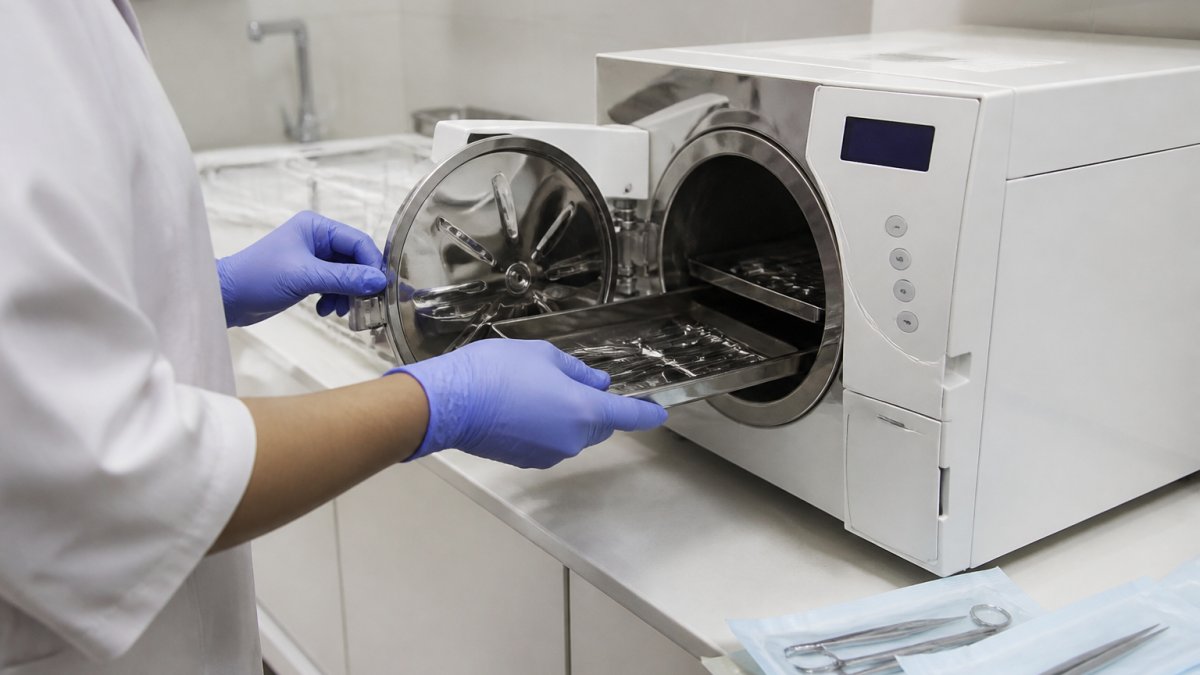
If hygiene and safety standards are on your mind, our explanation of clinic sterilization protocols covers how equipment is cleaned between patients.
When a Clinic Is Not the Right Choice: Emergency Alternatives
A walk-in clinic handles everyday illness and minor injury. It is not built for emergencies, and using it for one can cost you time you do not have.
Go to an emergency department or call 911 for:
- Chest pain or pressure
- Trouble breathing
- Signs of stroke, such as sudden face drooping or slurred speech
- Severe bleeding that will not stop
- A serious head injury
- Sudden confusion or fainting
For urgent but non-life-threatening concerns, a clinic is usually the faster option. If you are unsure, call the clinic and describe the situation. Staff can tell you whether to come in or go to the hospital.
Booking Your Visit at Plains Road West Medical Clinic
Walk-in access is part of how we work. We welcome patients of all ages, and we see same-day concerns as well as ongoing care.
We also offer personalized care for women through all phases of life, pediatric care from newborn to adolescent health, and confidential support for men's health. Our physicians focus on building lasting relationships with patients.
To prepare for your visit, review our step-by-step booking guide or find our contact details and location if you have questions before you come in.
Finding a clinic that takes walk-ins and still gives you real time with a doctor is harder than it should be.
Frequently Asked Questions
What happens when you visit a medical clinic?
A typical visit starts with registration and intake, where staff confirm your details. You then see a doctor who takes your medical history and current symptoms. The doctor may order laboratory tests or blood work, discuss a treatment plan, and arrange follow-up care. Most visits end with a prescription, referral, or clear next steps.
What should I bring to a medical clinic appointment?
Bring your health card and a list of all medications you take, including dosages. If you have a family doctor, bring their contact information. Also bring any relevant medical records and a list of your current symptoms. Knowing what to bring to a walk-in clinic helps the doctor make faster, safer decisions.
Can I visit a walk-in clinic for a prescription refill?
Some walk-in clinics may help with prescription refills for ongoing medications. Bring the current medication bottle or a pharmacy record, and be ready to explain why you need the refill. Some medications may require additional review. Call ahead to ask about refill options.
How long does a medical clinic appointment usually take?
Visit length depends on wait times and whether tests are needed. Ask the clinic about current wait times when you call ahead. How long does a walk-in clinic visit take also depends on triage: patients with urgent symptoms are seen first. Bringing your health card, medication list, and symptom notes helps the process move faster.